


Is the Chicken Road Game Safe in Poland?
If you’re asking “is the Chicken Road game safe?” from Poland, check the game’s identity, the risk to your stake and the operator’s terms for your account. InOut Games makes the game. Operators run the cashier, set access conditions and check the account holder’s identity. Chicken Road is the editorial site where this article appears.
Is the Chicken Road Game Real?
InOut released Chicken Road 2.0 on 15 April 2025. Its mode identifier is chicken-road-two, and the game’s rules window carries version 1.0.0. If you searched for “is the Chicken Road game real?”, start with the name and mode. The lane layout gives you another check. Easy, Medium, Hard and Hardcore have 30, 25, 22 and 18 lanes respectively in the rules for 2.0. See the original game and version identifiers.
When checking “is Chicken Road real?”, compare the listing with the 2.0 identifiers before following a payment prompt. If an app listing leaves you asking “Chicken Road: is it real?”, check the publisher as well. The title of a download alone tells you little about who built it.
Why a payment can clear while play stays blocked
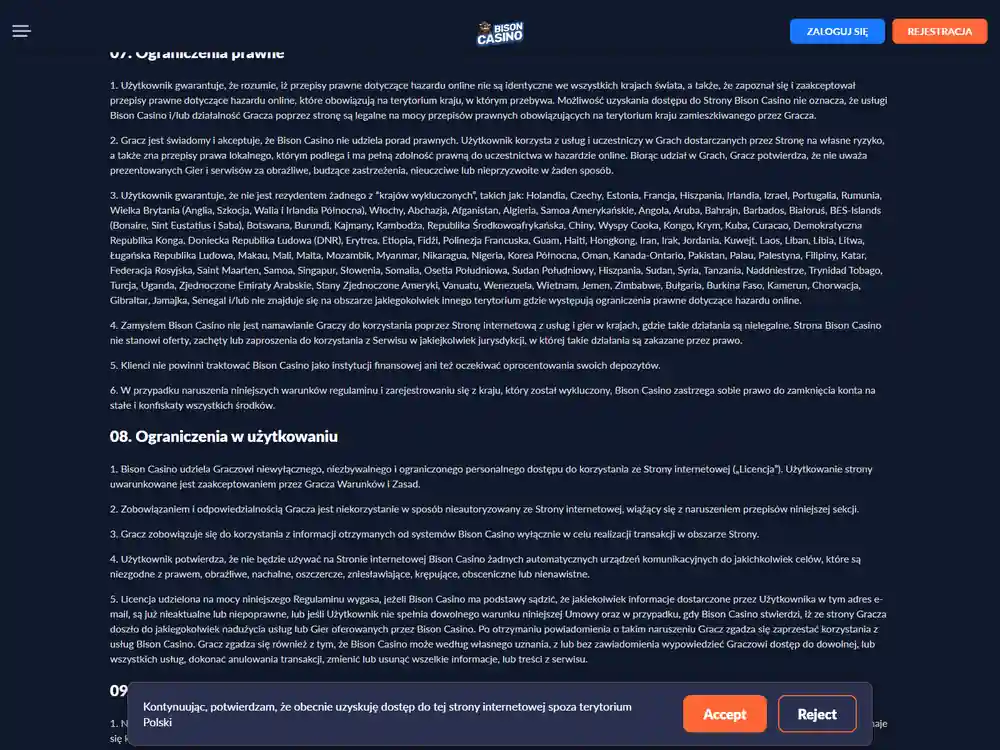
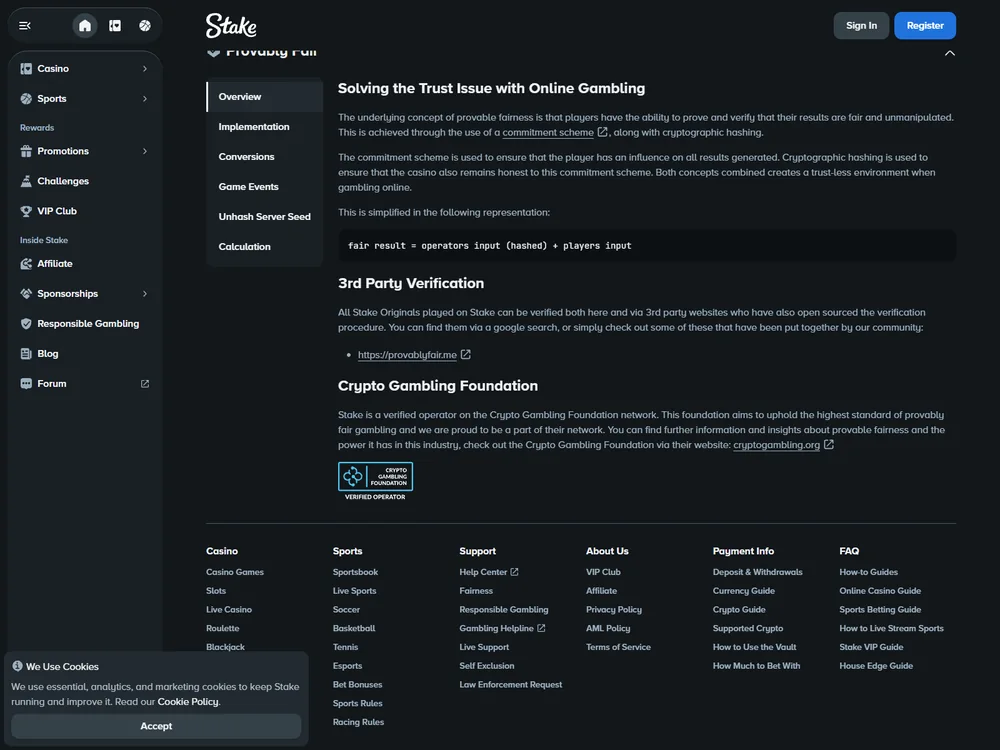
A cashier can accept a payment while a separate location check blocks real-money play. Stake lists Poland as a prohibited jurisdiction in §14.3 of its terms. Bison Casino’s country screen asks you to confirm you’re outside Poland. I used its Reject option. The Stake cashier credited 63.00 PLN by bank transfer and the Bison Casino cashier credited 79.15 PLN by BLIK. Each account showed 0.00 PLN available for play or ordinary withdrawal while the payment was under review. I placed zero real-money bets on those routes.
For “is Chicken Road legit?”, the confirmed licence covers a specific entity and activity. IOGr B.V., the company behind InOut Games, holds Anjouan licence ALSI-202506032-FI2 as a B2B game provider. Check your operator’s separate status and local terms. The licences and legal context explains what each record covers.
What a Chicken Road Bot Would Have to Prove
A Chicken Road bot would need to record its call before the relevant Play or Go action and show how that call matched the settled outcome. A claim about the next lane needs evidence for that lane. A claim about reaching a cash-out target needs the declared target, the full sequence of attempts and the outcome for each one.
What the client shows before Play
Before Play, the client shows the stake, difficulty, lane grid, payout cap and rules. The selected configuration uses 95.5% RTP. The 97% and 98% tables belong to separate configurations selected for launch. Difficulty is chosen before Play and changes the route through the lanes. To read a signal claim against the right rules, match the game version and active payout table first.
The game takes one stake per accepted round. After a safe step you can choose Go or Cash out. Each Go exposes the whole accepted stake to another possible collision, and the server has to accept Cash out for the game balance to receive the result. A payout displayed on a safe step is an amount still available to request. The history records what the server actually settled.
The cap matters when a seller’s clip shows an extreme multiplier. In the specific USD demo, bets range from 0.12 to 200 USD and the payout cap is 20,000 USD per paid round. The theoretical Hardcore maximum of 3,608,855.25× belongs to the 95.5% table. At a 3 USD stake that multiplier implies a gross amount above the cap, so the cap controls the payable amount in that configuration. A clip with a virtual balance shows play in the demo. A transfer to a payment account needs its own cashier record.
What the history shows after settlement
After settlement, the bet details show the Bet ID, the result and the disclosed inputs. Before the round, the Provably Fair settings show a field labelled Next server seed SHA256. The hash acts as a commitment to a value disclosed later. You can then use the settled-result verification procedure to check the relationship between the commitment, the disclosed data and the outcome.
In the verification check I matched the commitment and the combined digest in a control vector. Its result reached Hard 3 at 1.83×. I also checked the inputs disclosed for a specific server bet against the rules for that bet. The control vector is a worked check of known inputs. A seller offering an advance prediction has to account for what was known at the moment of the call.
In a separate NV Casino round in Poland, I checked the history after a 3.55 PLN Hard bet stopped at lane two. The accepted cash-out multiplier was 1.46× and the game credited 5.18 PLN. The following 3.55 PLN Medium bet collided before the first safe lane and paid 0.00 PLN. Those entries show why you need the settled history for every attempt. A shot of the first cash-out amount alone gives you only one side of that sequence.
Why winning clips can mislead
The chance of reaching Hard 3 at 1.83× is 52.1858% in the specified 95.5% model. In that calculation the other 47.8142% of attempts stop short of the target and pay zero. The percentages describe two branches of the same model. They are a baseline for how often a selected success can arise without establishing any ability to predict it. A void is a separate settlement status in the actual history.
If a clip leaves you asking “is Chicken Road safe?”, start with the ledger. A seller can choose successful clips after the fact, and a series of clips may represent a fraction of the calls made. A search for “Chicken Road: is it a scam?” may bring up those same clips. When you assess a Chicken Road scam claim, look for the whole sequence, including misses, changes and rounds that never settled.
How to inspect an existing signal record
- Identify the exact claim. Record the game version, difficulty, target lane or multiplier and the time at which the call was published.
- Ask for the existing sequence as defined before the first call. Check that it keeps misses and rejected or void entries in view and explains how each status is handled.
- Check that the recorded signal time comes before the relevant Play or Go action. Use the Bet ID to link each accepted attempt to its outcome and save the settlement time for each settled bet. Keep the seller’s messages and the operator’s history in separate records.
- Compare the entire sequence with the claimed result. A missing part of the timeline leaves the accuracy claim without a usable denominator.
If you searched for “Is Chicken Road 2.0 safe? Scams and signals”, work from the records you already have. Stop if access to the evidence requires a deposit, your account credentials or a file installation.
Where to play Chicken Road 2.0
Compare six operator profiles. The scores reflect the routes tested for Chicken Road 2.0. Check authorisation in Poland and your account’s eligibility before depositing.
NV Casino

Cash test in PLN
- All 6 accepted rounds settled.
- Tested Visa deposit limits were 45.50–800 PLN.
- Withdrawals to a personal Visa started at 50 PLN.
Stake

Poland restriction
- Terms §14.3 exclude Poland.
- No cash bets were accepted in the Polish account.
- The 63 PLN transfer was still under review at the end of the test.
Total Casino

Signed-in PLN test
- All 5 accepted rounds settled.
- Public search found no exact InOut title.
- Tested BLIK deposit limits were 10–600 PLN.
Ice Casino

Cash test in PLN
- 5 of 6 accepted rounds settled. One was voided.
- Tested Skrill deposit limits were 40.50–700 PLN.
- The demo opened from the operator’s own game listing.
Bison Casino

Poland restriction
- The eligibility prompt required access from outside Poland.
- The virtual demo ran separately from the cash account.
- The 79.15 PLN BLIK payment was still under review at the end of the test.
Mostbet

Cash test in EUR
- All 7 accepted rounds settled in the EUR wallet.
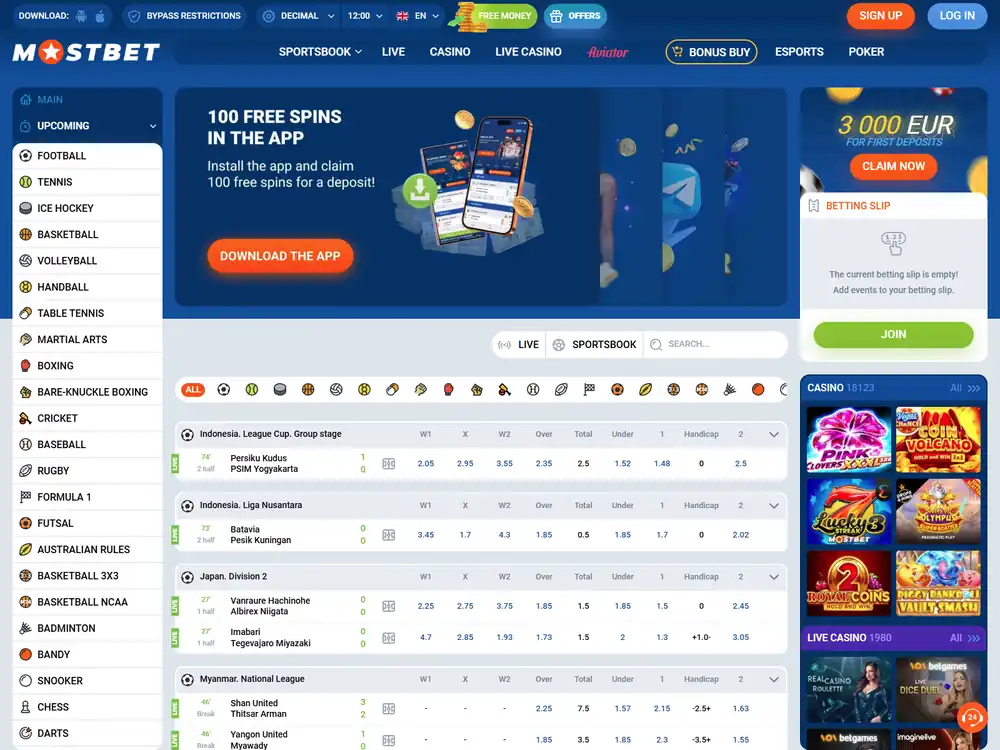
- Standard Chicken Road 2.0 was listed as card 123628.
- Tested Mastercard deposit limits were 18.25–390 EUR.
How Chicken Road Scammers Use Fake Signals
Chicken Road scammers can borrow the game’s appearance in a message, video or download prompt. Requests for account access, wallet recovery words and transfers through an outside channel are reasons to end the exchange. The safest next step is to check the request in the channel where the account or payment actually lives.
Third-party files and celebrity claims
Someone typing “Chicken Road Mr Beast” or “Chicken Road Cristiano Ronaldo” may be trying to identify an advert featuring a familiar name. The search terms establish the topic of the claim. Check who placed the advert and whether the promotion can be traced to the person or their authorised channel. For an APK or bot, check the file publisher, exact signed build and terms of the service before you trust a download offer.
The question “Chicken Road 2: is it a scam?” is easiest to answer once you identify which party is asking for something. A private seller asking you to pay for a bot is a separate party from InOut and your account operator. Close the message if it asks you to send a BLIK transfer, disclose an OTP or hand over your wallet recovery phrase. Save the sender’s details and the request for the official report.
How to Check a Round and Report a Problem
Start with the operator’s signed-in chat and give support the record needed to trace the round. If a missing payout leaves you asking “is Chicken Road a scam?”, open the accepted bet to check its status and balance entry. If a payment cleared while play was blocked, give support the cashier reference and the eligibility message instead.
- Open
My bet historyand note the Bet ID, timestamp, stake, status, accepted multiplier and amount credited or returned.
Settled NV Casino round showing a 5.18 PLN credit at 1.46× - Compare the history with the balance entry. Keep the original message or ad if a third party contacted you. Redact passwords, codes, wallet recovery words and unrelated account details.
- Send the relevant entries to the operator through its signed-in support channel. For an article correction use [email protected]. The guide to assessing complaints explains how to distinguish a reported event from a broader claim.
I used Ice Casino’s signed-in chat when a voided round appeared twice in the history. The 4.60 PLN stake had already been returned. The duplicate line disappeared after the history refreshed, and the additional adjustment was 0.00 PLN. The support case concerned the account record for that round.
What to do before trusting a claim
If you came here asking “is the Chicken Road game safe?”, check that you have the InOut client, are eligible with your operator in Poland and accept the risk of losing the full stake. Use settled history to check a round. Treat a promise of future results as a separate claim requiring a complete record of calls made in advance. End the exchange and use official support if someone asks you for payment or account access. For help setting limits or stepping away, see responsible gambling support.
FAQ
Is Chicken Road 2.0 a real game?
Yes. It is a single-player step crash game from InOut Games. If you arrived through the query “is the Chicken Road game a scam?”, check the name and mode of the listing and identify the party asking for a download, account details or money.
Can a predictor show the next safe lane?
A game screen alone shows only the current state. To assess an advance claim, compare the recorded signal time with the relevant Play or Go action across the full series. Use the Bet ID to match each accepted attempt to its result, and save the settlement time for each settled bet.
Does Provably Fair tell you what happens next?
Provably Fair checks only an already settled result. Match the pre-round commitment and later disclosure to the Bet ID for that result. A prediction of the next lane requires separate evidence recorded in advance.
What if someone asks for a BLIK payment or a verification code?
End the exchange and save the request with its sender and timestamp. When checking “Chicken Road: is it safe?”, keep codes and payment details inside the official flow. Contact the operator through the signed-in chat if the request concerns your account.
Does an accepted deposit mean I can play from Poland?
Eligibility still depends on the operator. Stake restricts Poland under §14.3 and Bison Casino stops the route when you reject its outside-Poland confirmation. In the two Polish checks, the accepted payments remained under review and real-money play stayed closed.

Author
Publisher information
Chicken Road is an informational website published by Michał Kowalski. Casino operators manage player accounts, accept wagers and process deposits and withdrawals.
Play responsibly
18+. Gambling can cause financial and personal harm. Set limits on time and spending before you play. For support, see GamCare and GambleAware.