


28 years old
How Michał checks Chicken Road 2.0
Game identity and rules
The name on a lobby tile is the start of the identification check. Michał compares the product name and provider label with the rules inside the game and the identifier where it is available. That distinguishes InOut Games’ Chicken Road 2.0 from the original Chicken Road and the separately listed Mostbet Chicken Road 2.
At NV Casino, I found the game through its exact title and checked the InOut label. The demo and the real-money game opened separately. At Total Casino, I checked the title within the test account. The separate public lobby search returned no matches for Chicken Road or InOut in the results examined.
The rules check records the configuration that governs the round, including what happens when the player cashes out or the round ends on a collision. If the client offers a provably fair check, Michał examines the commitment shown before play and the inputs revealed in the round history after settlement. Verification is specific to the round and mechanism being checked.
Payments and bonus terms
A payment check follows the money across the bank, the casino cashier and the playing balance. The amount shown by the bank can include a charge that never enters the casino wallet. For outgoing payments, the record separates the request, approval, dispatch and receipt. Account ownership is checked at its own stage.
The round check follows the entry in the game history back to the change in balance. It records the stake, the accepted cash-out multiplier where applicable and the amount credited after settlement. A round that ended with a collision, or one that was voided and returned, is recorded under its own outcome. A short series can verify that the entries reconcile. The theoretical return to player is a property of the configured game and requires a different kind of analysis.
For a bonus, Michał checks when it can be selected, what triggers the credit, which balance receives it and whether the game counts towards wagering. That last condition matters even when both the promotion and the game appear in the same casino. Cash, bonus credit and a payout from free spins are tracked separately. The NV Casino and Total Casino examples below used personal funds, with the bonus balance at zero.
Mobile and desktop checks
The mobile comparison covers Android APKs, iOS web views and browser shortcuts where the operator offers those routes. The test records what the interface actually opens, including the account or access screen, lobby, game controls and cashier. A route that ends at a territory check is recorded at that screen.
On 5 GHz Wi-Fi, I timed five cold starts and five warm starts per device platform in each profile. In each profile where the game opened, I took five separate measurements of how long it took for the game field to be ready. I switched to LTE and back to Wi-Fi to check how the interface recovered. During a separate Ice Casino run, I lost the connection after a 4.60 PLN bet was accepted. I reopened the game history and saw one void entry and the stake returned to the balance.
On the same Samsung phone, I checked the desktop layout in DeX at 1440 × 900 CSS pixels and 100% zoom. I found that the game elements fit at that size without horizontal scrolling. The testing methodology explains which checks are comparable and how the site weighs criteria such as access, payments and transparency.
What the checks showed in Poland
The six Polish test profiles were NV Casino, Stake, Total Casino, Ice Casino, Bison Casino and Mostbet. The examples below show how the method distinguishes a completed deposit, a confirmed round and a route that stops at the access check.
NV Casino and Total Casino
On the Galaxy S25 Ultra, I used my Visa at NV Casino. My bank debited 96.69 PLN and the cashier credited 95.20 PLN after 1 minute 54 seconds. The bank retained 1.49 PLN and the operator charged 0 PLN. Verification of account ownership took 22 minutes. I then reconciled six settled rounds against the stakes and credits.
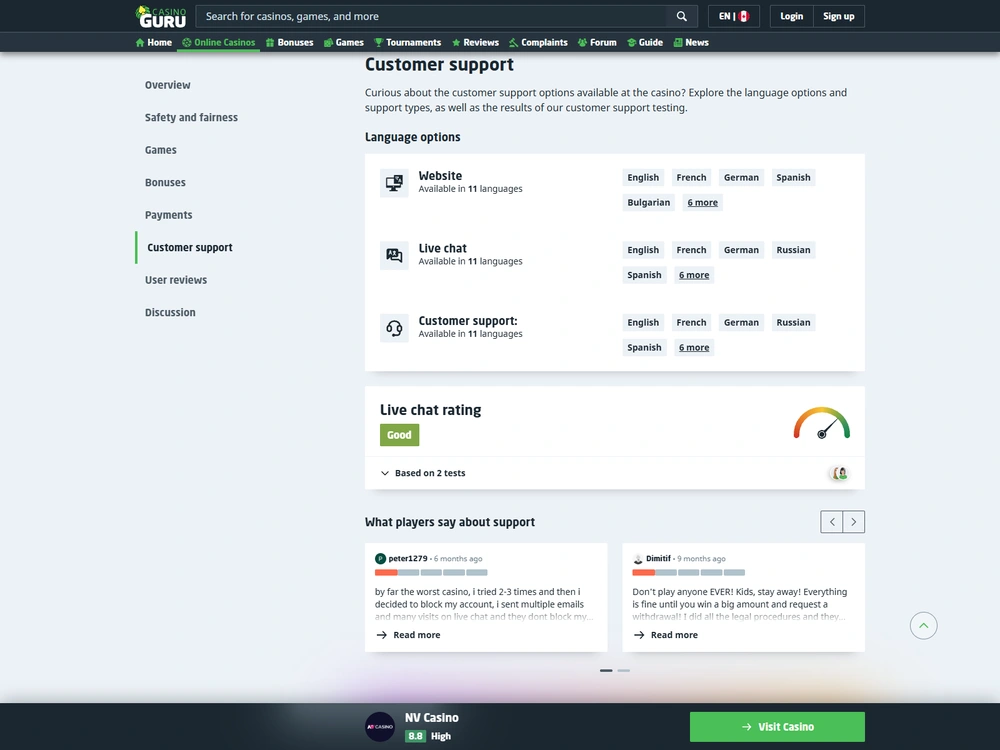
At Total Casino, I checked a BLIK deposit on the iPhone 17 Pro. The first code expired with no debit or credit. A new transaction for 53.25 PLN reached the cashier in 1 minute 5 seconds, with zero fees and no conversion. The ownership check took 15 minutes. I tracked five settled rounds through to the balance. Each timing refers to the operation it measures.
Where the access check stopped play
In my Polish tests at Stake and Bison Casino, I confirmed that each cashier had credited a payment. In both cases I stopped at the territory check before placing a wager. The funds remained under review. For readers in Poland, the distinction is practical. The cashier record tells you whether the money arrived. The access check determines whether you can use it to place a wager.
Publishing standards and corrections
Editorial responsibility and rights
Michał oversees Chicken Road’s coverage and its own editorial materials. Third-party trademarks belong to their owners and are used to identify the games and services discussed. InOut Games supplies the game. Operators manage their accounts, payments and access checks.
Chicken Road publishes independently and starts with paid placement disabled. The site uses cost-per-acquisition and revenue-share figures as worked examples of compensation models. The disclosure policy calls for a label next to any placement that carries contractual compensation.
How to request a correction
- Open Contact the publisher or email [email protected].
- Identify the material, describe what you encountered and specify the correction. Use the same channel for rights enquiries.
Expect a first editorial reply within two working days. The privacy policy covers how the site handles your message. The terms of use explain the publisher’s role.
FAQ
Do I need an account to contact the publisher?
You can read the site and send an editorial enquiry without creating an account.
Who handles a problem with a casino payment?
Use the operator’s support channel for a payment or account issue. Contact the publisher if the issue concerns a factual error in the site’s coverage.
Author
Publisher information
Chicken Road is an informational website published by Michał Kowalski. Casino operators manage player accounts, accept wagers and process deposits and withdrawals.
Play responsibly
18+. Gambling can cause financial and personal harm. Set limits on time and spending before you play. For support, see GamCare and GambleAware.